
5 territories + Toxic Tour
Every place has its own reason to go
Primates, parrot clay licks, black caimans, river dolphins and Waorani territory. All starting from Coca.
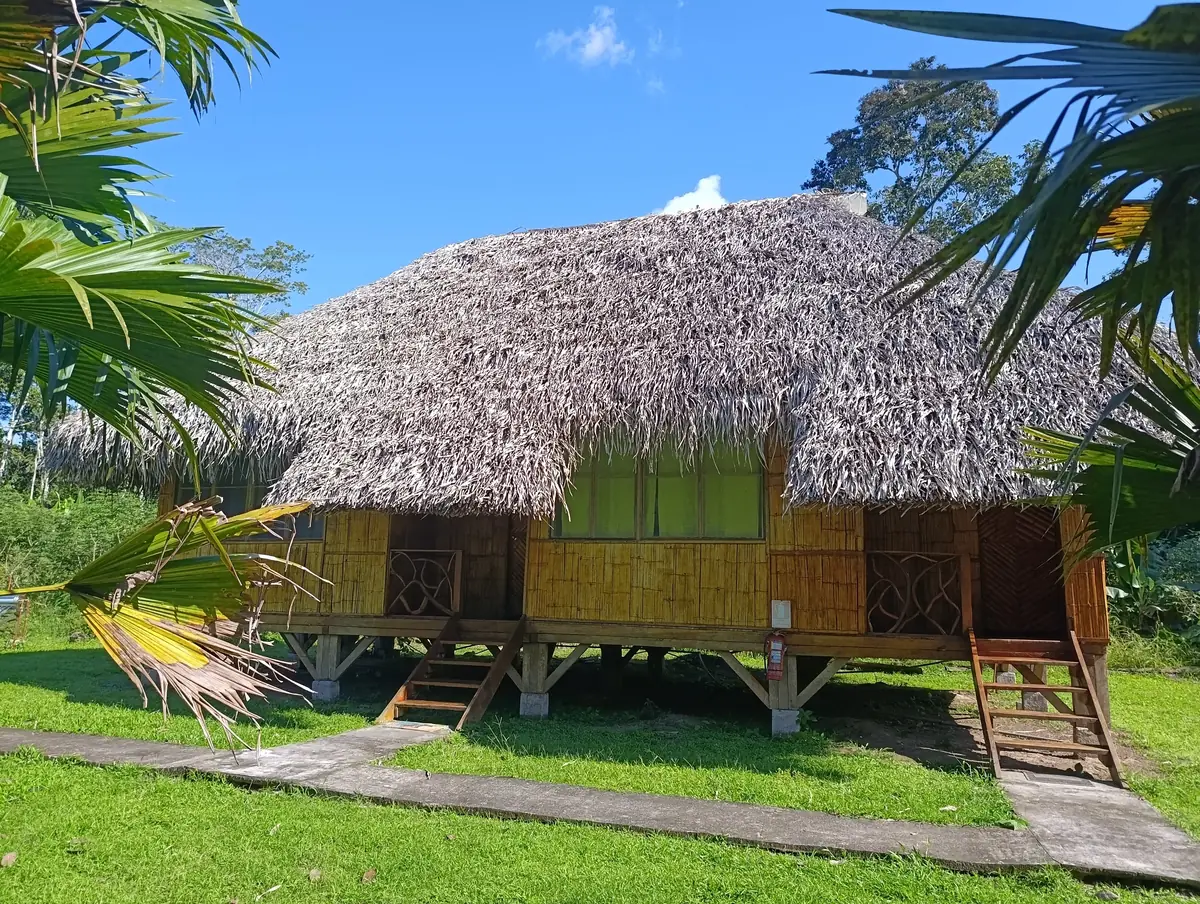
Sumak Allpa Island
A 115-hectare island in the Napo River with a biodiversity management and environmental education program.
The island exists to protect the threatened primate populations of the Ecuadorian Amazon. The monkeys that arrive here don't live in cages: they are released into their natural environment, where they face the same threats they would in the wild. That is the only way rehabilitation works.
We also share environmental knowledge with local, national and international visitors, and we work to preserve the region's threatened Indigenous peoples, their culture, their language and their way of life.
- Nine primate species in rehabilitation
- Environmental education program for visitors
- Long-term goal: species breeding and relocation
Yasuní
Ecuador's largest Biosphere Reserve and the most biodiverse place on the planet.
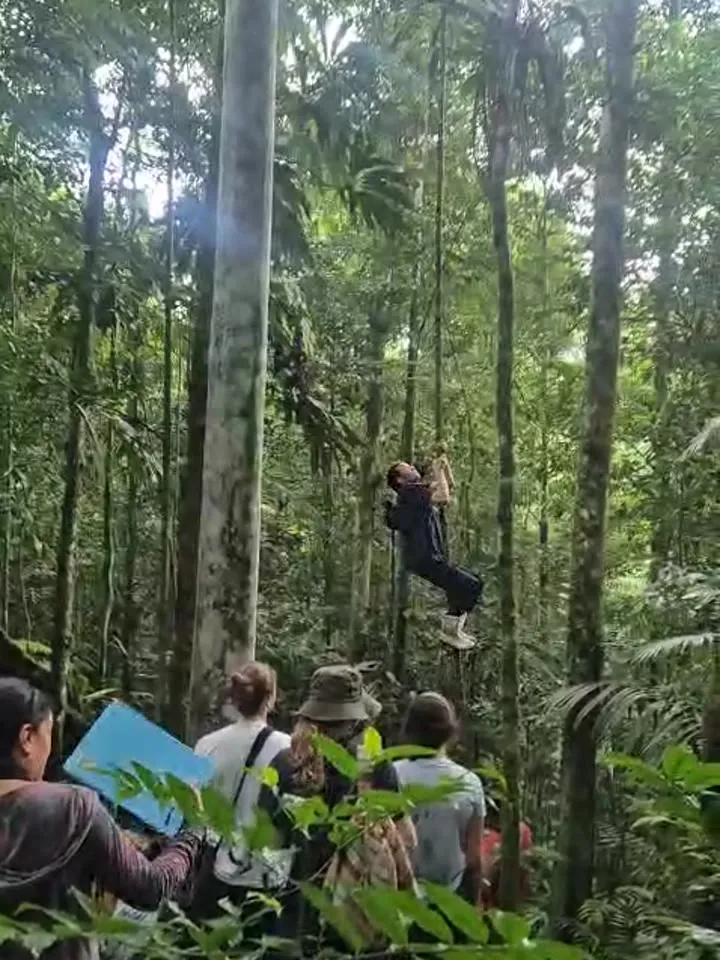
Yasuní is a whole world waiting to be explored. The clay licks — clay walls where parrots and parakeets flock down by the hundreds to eat minerals — are one of the most reliable spectacles in the Amazon, and the 45-meter canopy tower puts you above the treetops, at eye level with the birds.
On multi-day trips you sleep inside the park and head out on night walks in search of nocturnal species: frogs, insects, snakes and, with some luck, a jaguar.
- Parrot and parakeet clay licks
- 45-meter observation tower
- Kichwa community of Añangu
- Night walks on multi-day trips
Limoncocha
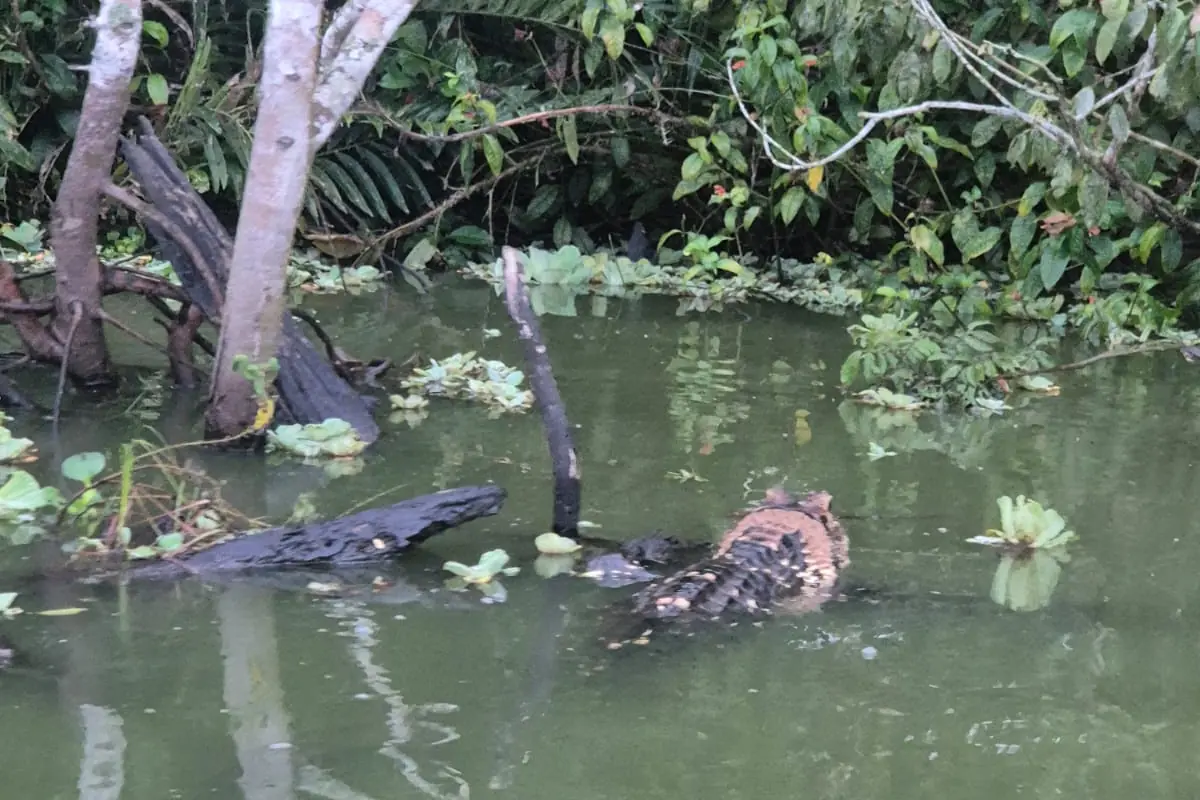
Hundreds of bird species and the most important black caiman sanctuary in the Ecuadorian Amazon.
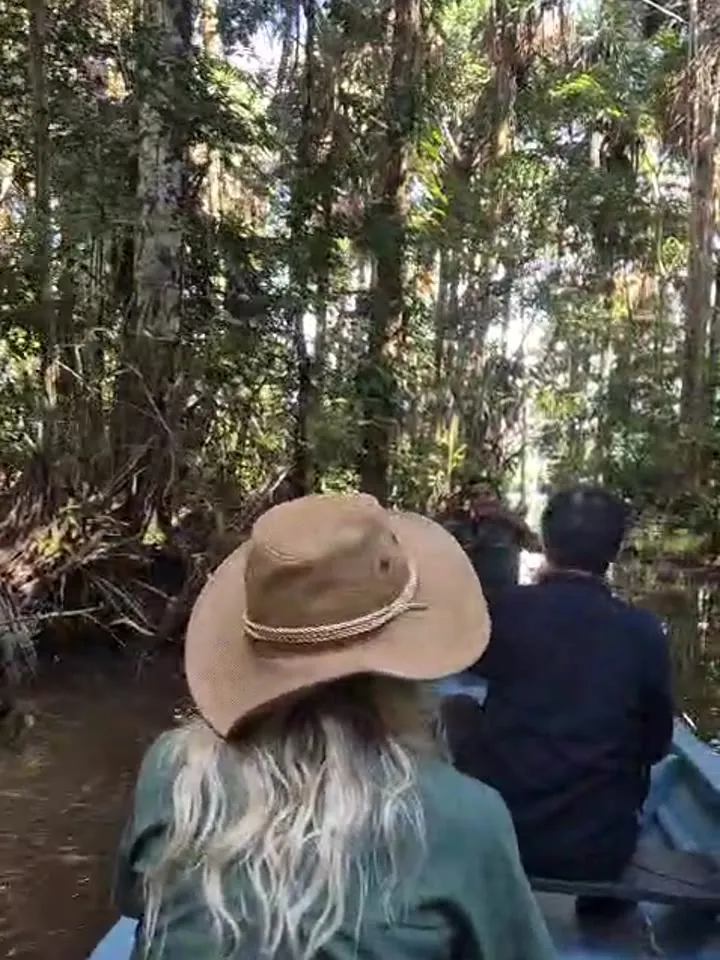
For many years Limoncocha was considered one of the best birdwatching sites in the world. The lagoon holds an amount of life that's hard to believe until you paddle across it by canoe at dawn.
At night it changes completely: we head out to see bioluminescent fireflies and look for the eyes of black caimans reflecting the flashlight beam across the water.
- The country's most important black caiman sanctuary
- Hundreds of bird species
- Bioluminescent fireflies on night outings
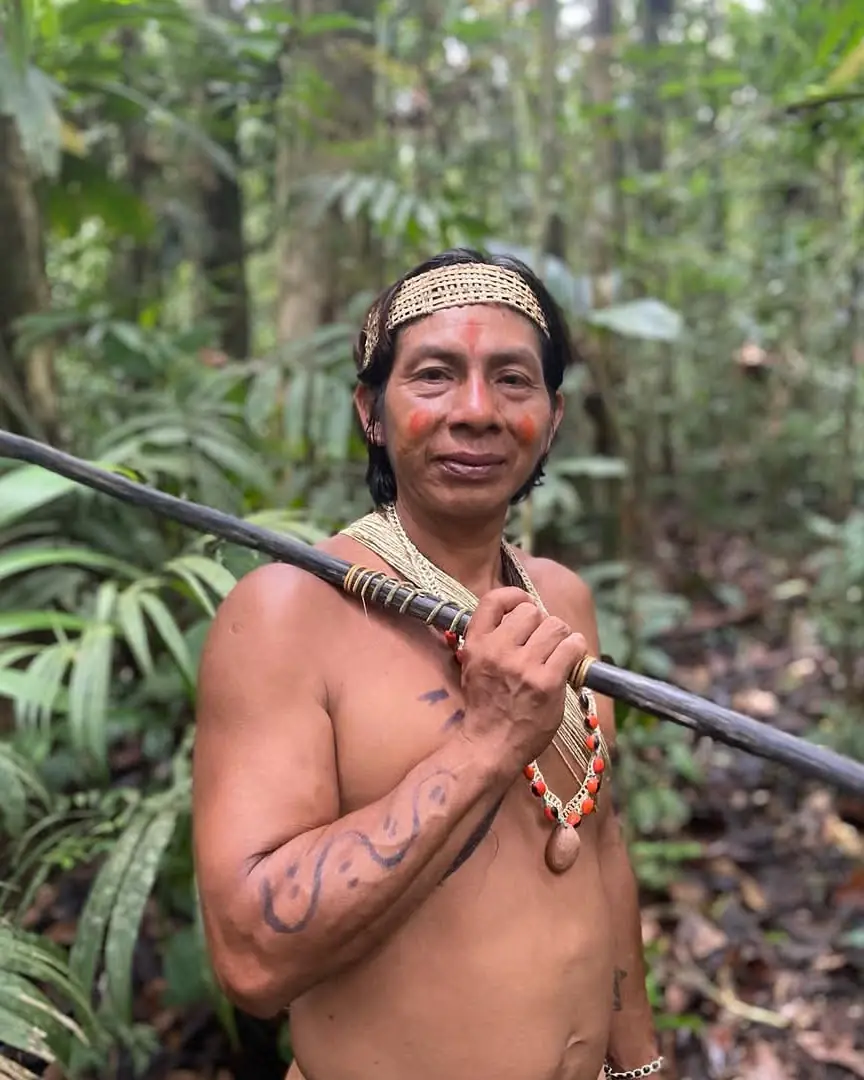
Shiripuno River
The Shiripuno is part of Waorani territory. It offers a different kind of experience: birdwatching, jungle exploration and time with the Waorani community.
You get there along the Vía Auca and then an hour and a half by canoe, passing the Intangible Zone checkpoint. We camp with Gaba's family and fish for piranhas with handmade rods in the lagoons in the afternoon.
The next day is a four-hour walk escorted by Waorani warriors who explain how they use the forest; the women share their cultural activities and the men teach you to handle the blowgun and spears. The last day is devoted to ethnobotany: what each plant is used for.
- Hike guided by Waorani warriors
- Waorani blowgun, spears and ethnobotany
- Piranha fishing and nighttime caiman spotting
- Sunrise birdwatching over the river
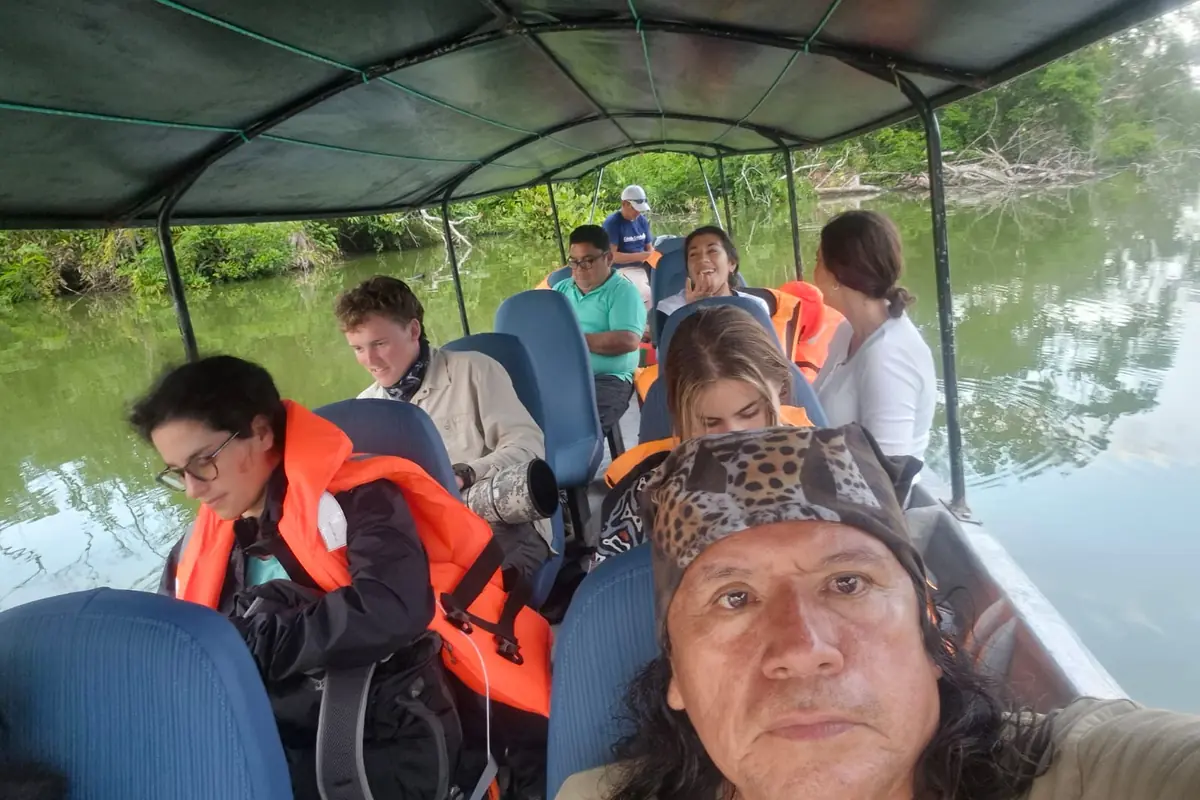
Cocaya
Home of the exotic pink and gray river dolphins.
Reaching Cocaya takes a full day on the river: public boat from Yasuní, a stop in Pañacocha, five hours to Rocafuerte and one more hour by private canoe. That distance is exactly what keeps it the way it is.
Here you can watch and feed the dolphins, a species rarely seen, and explore spectacular lagoons full of birds and monkeys.
- Pink and gray river dolphins
- Lagoons with a wide variety of birds and monkeys
- Cabin lodging inside Cocaya
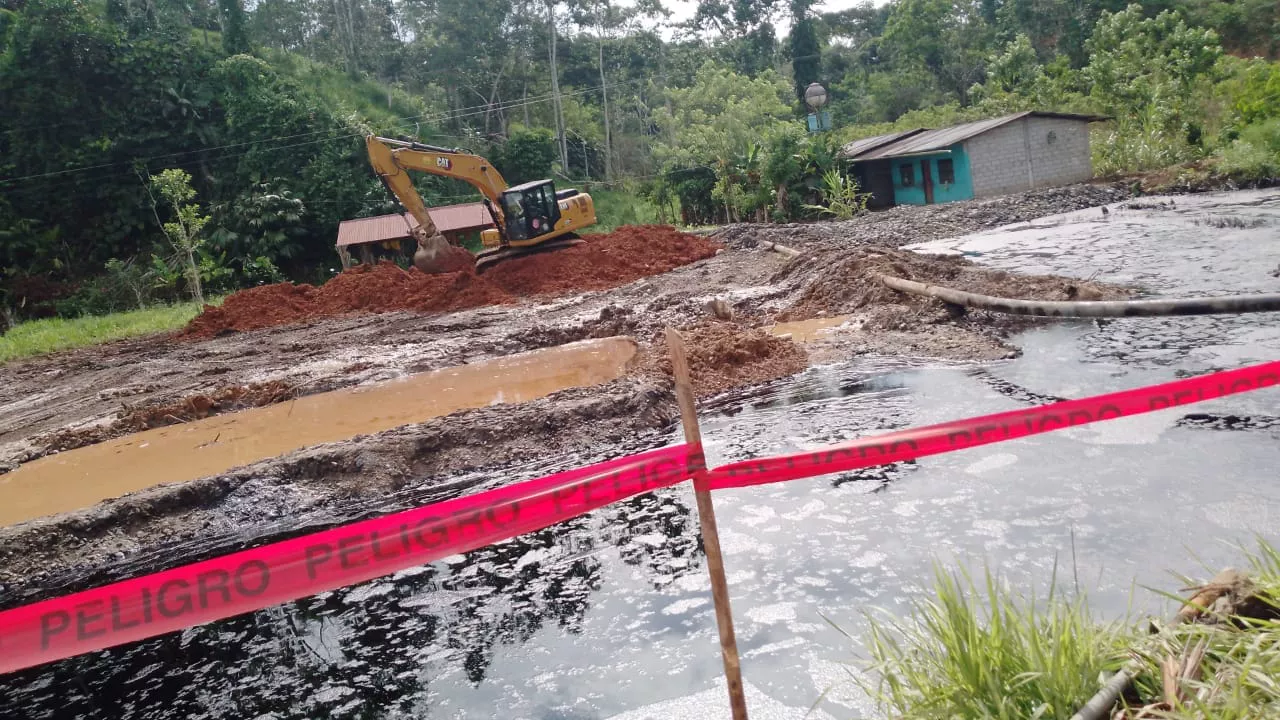
Toxic Tour
The tour that shows the impact and responsibility of the oil industry in the Amazon.
It isn't a pleasant tour, and it doesn't try to be. You visit the pits where formation water was dumped and buried, with leftover crude overflowing onto farmland, and you see a burning gas flare to understand its effect on insect populations.
In the Loma del Tigre community you talk with local people about the social impacts of oil extraction. It's the context that explains why a project like Sumak Allpa exists.
- Sacha Central Facility and Shushufindi field
- Waste pits and gas flares
- Conversation with the Loma del Tigre community
Choosing one territory doesn't rule out another
Almost every multi-day expedition starts on the island and continues downriver. If you're not sure where to begin, message us and we'll put it together around the days you have.